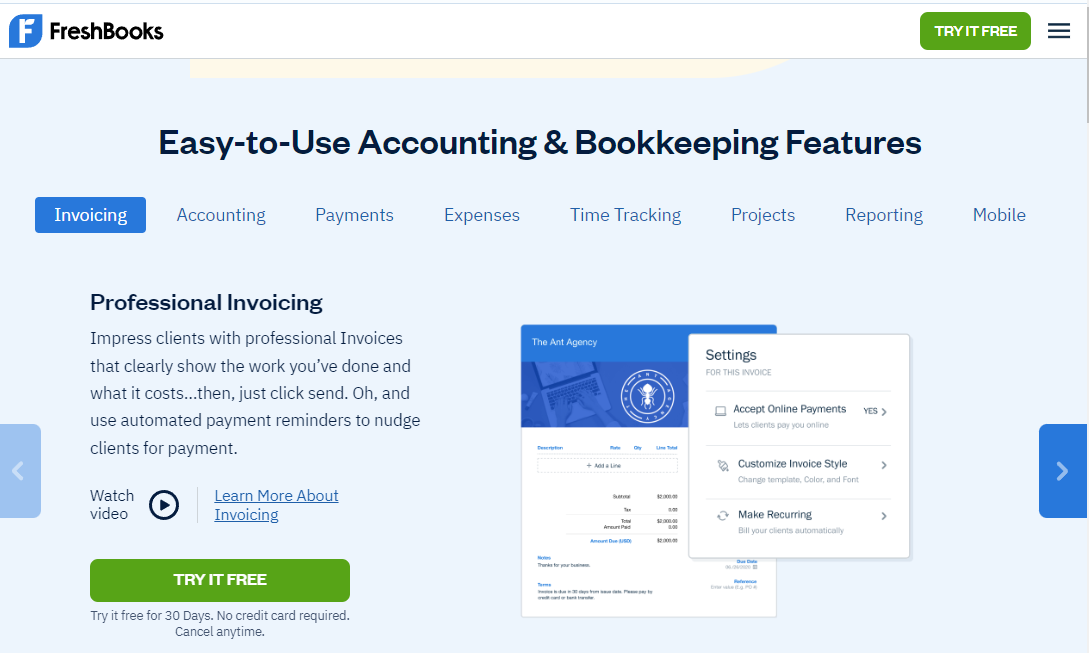
Welcome to the digital age where technology plays a crucial role in managing businesses efficiently. If you’re running an online business, you know how important it is to stay on top of your finances. This is where e-commerce accounting software comes in, offering a range of benefits that can streamline your financial processes and help you make informed decisions for your business. From tracking sales and expenses to automating invoicing and reconciliations, e-commerce accounting software is a game-changer for online entrepreneurs looking to save time and money.
Importance of E-Commerce Accounting Software
Running an e-commerce business comes with its own set of challenges, one of which is keeping track of all financial transactions. E-commerce accounting software plays a vital role in streamlining this process and ensuring the financial health of your business. With the growth of online businesses, having the right accounting software in place is more important than ever.
One of the key benefits of e-commerce accounting software is its ability to automate repetitive tasks such as invoicing, expense tracking, and financial reporting. By automating these processes, you can save time and reduce the risk of human error. This not only improves efficiency but also ensures that your financial records are accurate and up-to-date.
Another important aspect of e-commerce accounting software is its integration capabilities. Many accounting software solutions seamlessly integrate with e-commerce platforms, payment gateways, and other business tools. This integration allows for real-time syncing of data, giving you instant access to important financial information. This integration also eliminates the need for manual data entry, further reducing the chances of errors.
Furthermore, e-commerce accounting software provides valuable insights into the financial performance of your business. With customizable reports and dashboards, you can easily track key metrics such as sales, expenses, profits, and cash flow. These insights help you make informed decisions and identify areas for improvement, ultimately leading to better financial management.
Security is another crucial aspect of e-commerce accounting software. With sensitive financial data being stored on these platforms, it is essential to choose a software solution that prioritizes security. Most e-commerce accounting software solutions offer advanced security features such as data encryption, regular backups, user permissions, and multi-factor authentication to ensure that your data is safe from cyber threats.
Lastly, having e-commerce accounting software in place can also facilitate compliance with tax regulations. These software solutions often come equipped with features that help you calculate and track taxes, generate tax reports, and prepare financial statements for tax purposes. This not only saves you time during tax season but also reduces the risk of errors that could lead to penalties.
In conclusion, e-commerce accounting software is a valuable tool for modern online businesses. From automating tasks and integrating with other tools to providing insights and ensuring security, the importance of using accounting software cannot be overstated. By leveraging the capabilities of e-commerce accounting software, you can streamline your financial processes, make better decisions, and ultimately drive the success of your e-commerce business.
Features to Look for in E-Commerce Accounting Software
When choosing e-commerce accounting software, it is important to consider the specific features that will best suit your business needs. Here are some key features to look for when selecting an e-commerce accounting software:
1. Integration with E-Commerce Platforms: One of the most important features to look for in e-commerce accounting software is integration with popular e-commerce platforms such as Shopify, WooCommerce, Magento, or BigCommerce. This integration allows for seamless transfer of sales data, inventory management, and order processing between your e-commerce platform and accounting software. This can save you time and reduce the chances of errors in manually inputting data.
2. Multi-Currency Support: Another essential feature to consider is multi-currency support. If your e-commerce business sells products internationally, having accounting software that can handle multiple currencies is crucial. This feature allows you to accurately track and manage sales, expenses, and financial reports across different currencies. It also helps in calculating exchange rates and ensuring accurate financial records for tax compliance.
3. Automated Bookkeeping: Look for e-commerce accounting software that offers automated bookkeeping features such as bank reconciliation, invoice processing, and expense tracking. Automation can help streamline the accounting process, reduce manual data entry errors, and save time on routine tasks. This feature can also provide real-time insights into your business finances, allowing you to make informed decisions based on up-to-date financial data.
4. Inventory Management: Effective inventory management is crucial for e-commerce businesses to avoid stockouts, overstocking, and loss of revenue. Choose accounting software that offers robust inventory management features such as tracking stock levels, reordering inventory, and managing multiple warehouses. Integration with your e-commerce platform can also help in syncing inventory data in real-time, ensuring accurate stock levels and preventing errors in sales orders.
5. Financial Reporting: Comprehensive financial reporting is essential for monitoring the financial health of your e-commerce business. Look for accounting software that provides customizable reports such as profit and loss statements, balance sheets, cash flow statements, and sales reports. These reports can help you track revenue, expenses, profitability, and cash flow trends over time, allowing you to make data-driven decisions to grow your business.
6. Scalability and Customization: As your e-commerce business grows, you may need accounting software that can scale with your business. Choose software that offers scalability and customization options to accommodate your changing business needs. Look for features such as the ability to add users, expand storage capacity, integrate with third-party apps, and customize reports to meet your specific requirements.
By considering these key features when choosing e-commerce accounting software, you can improve the efficiency of your financial management processes, gain better insights into your business finances, and make informed decisions to drive growth and success in your e-commerce business.
Top E-Commerce Accounting Software Providers
When it comes to managing finances for an e-commerce business, using the right accounting software is crucial. There are numerous options available in the market, each offering various features and benefits to help streamline your accounting processes. Below are three of the top e-commerce accounting software providers that you should consider for your business:
1. QuickBooks Online
QuickBooks Online is a popular choice for small businesses, including e-commerce merchants, due to its user-friendly interface and robust features. With QuickBooks Online, you can easily track income and expenses, create invoices, manage inventory, and generate financial reports. The software also integrates seamlessly with various e-commerce platforms, making it easy to sync your sales data automatically.
One of the key advantages of QuickBooks Online is its scalability – you can choose from different pricing plans based on the size and needs of your business. Whether you are a solo entrepreneur or have a growing team, QuickBooks Online has a plan that suits your requirements.
2. Xero
Xero is another popular choice for e-commerce businesses looking for robust accounting software. The platform offers features such as bank reconciliation, expense tracking, invoicing, and financial reporting. Xero is known for its user-friendly interface and the ability to customize invoices and documents with your branding.
With Xero, you can easily connect your bank accounts and payment gateways to track your sales and expenses in real-time. The software also integrates with various e-commerce platforms and payment processors, allowing you to streamline your financial data across different channels.
3. Sage Business Cloud Accounting
Sage Business Cloud Accounting is a comprehensive accounting solution that caters to businesses of all sizes, including e-commerce merchants. The platform offers features such as invoicing, expense tracking, inventory management, and financial reporting. Sage Business Cloud Accounting also provides tools for project tracking and collaboration with your team.
One of the standout features of Sage Business Cloud Accounting is its multi-currency support, which is crucial for e-commerce businesses selling internationally. The software allows you to manage transactions in multiple currencies, track exchange rates, and generate financial reports in different currencies.
In conclusion, choosing the right e-commerce accounting software is essential for managing your finances efficiently. Consider the features and pricing plans offered by these top providers to find the best solution for your e-commerce business.
How E-Commerce Accounting Software Helps Streamline Business Processes
Running an e-commerce business can be challenging, as it involves managing various aspects such as sales, inventory, invoices, and financial reports. However, with the advancement of technology, e-commerce accounting software has emerged as a game changer for businesses looking to streamline their operations. Here are some ways in which e-commerce accounting software can help streamline business processes:
1. Automating Financial Processes: One of the biggest advantages of using e-commerce accounting software is that it automates financial processes such as invoicing, bill payments, and expense tracking. This automation not only saves time but also reduces the chances of manual errors, ensuring that financial data is accurate and up-to-date.
2. Integration with E-Commerce Platforms: E-commerce accounting software can be integrated with various e-commerce platforms such as Shopify, WooCommerce, and BigCommerce. This integration allows for seamless data transfer between the two systems, eliminating the need for manual data entry and reducing the risk of data discrepancies.
3. Real-Time Reporting: With e-commerce accounting software, businesses can generate real-time financial reports that provide insights into their financial performance. These reports can help businesses make informed decisions, identify areas of improvement, and track key performance indicators to achieve their financial goals.
4. Streamlining Inventory Management: E-commerce accounting software often comes with inventory management features that allow businesses to track their stock levels, monitor product sales, and generate purchase orders automatically. By streamlining inventory management, businesses can avoid stockouts, reduce carrying costs, and improve overall operational efficiency.
Furthermore, e-commerce accounting software can provide businesses with valuable insights into their inventory turnover rates, profit margins on individual products, and overall inventory performance. This data can help businesses optimize their inventory levels, identify slow-moving items, and make strategic pricing decisions to maximize profitability.
In conclusion, e-commerce accounting software plays a crucial role in streamlining business processes by automating financial tasks, integrating with e-commerce platforms, providing real-time reporting, and streamlining inventory management. By leveraging the power of e-commerce accounting software, businesses can improve their operational efficiency, reduce manual errors, and make data-driven decisions to drive growth and success.
Integrating E-Commerce Accounting Software with Other Business Applications
When it comes to managing your e-commerce business effectively, integrating your accounting software with other business applications is essential. This integration can streamline processes, enhance data accuracy, and provide valuable insights into your business operations.
One of the key benefits of integrating e-commerce accounting software with other business applications is the ability to automate data entry. By connecting your accounting software with your inventory management system, for example, you can ensure that all sales and inventory data are automatically synced, eliminating the need for manual data entry and reducing the risk of errors.
Furthermore, integrating e-commerce accounting software with your CRM system allows you to have a comprehensive view of your customer data. This integration enables you to track customer purchases, preferences, and payment history, providing valuable insights that can help you personalize your marketing efforts and improve customer retention.
Another benefit of integrating e-commerce accounting software with other business applications is the ability to generate real-time reports. By connecting your accounting software with your business intelligence tools, you can access up-to-date financial data and performance metrics, allowing you to make informed business decisions quickly.
Moreover, integrating e-commerce accounting software with your payment processing system can streamline the order-to-cash process. This integration can automatically reconcile payments with sales invoices, track payment status, and provide a seamless payment experience for your customers, reducing the risk of payment delays and errors.
Overall, integrating e-commerce accounting software with other business applications can help you optimize your business operations, improve efficiency, and drive growth. By automating data entry, gaining a comprehensive view of customer data, generating real-time reports, and streamlining the order-to-cash process, you can take your e-commerce business to the next level.
Originally posted 2025-02-07 08:40:12.